
Travel Wallets: Secure, Compact, Airport-Ready

The Travel Wallet Problem Nobody Talks About
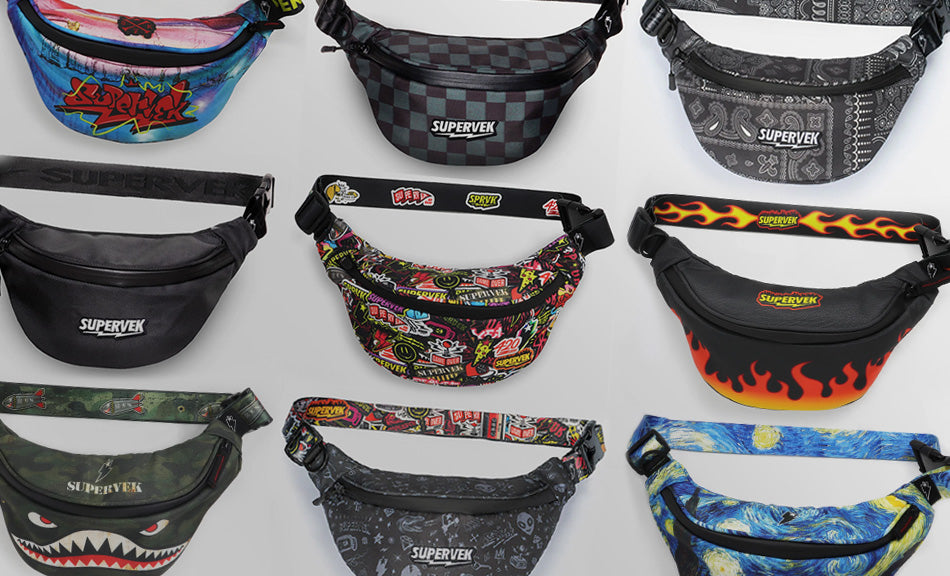
According to the TSA's official travel packing guidelines, keeping travel documents accessible and organized during security screening and navigation is essential for smooth travel experience. You're in a crowded Bangkok market. Thousands of people. Hundreds of pickpockets. While a travel wallet addresses security, pairing it with a quality travel fanny pack provides comprehensive carrying solutions for travelers.
Your normal wallet—the one you use at home—is suddenly a liability.
Travel changes how you carry money:
- You're wearing unfamiliar clothes (with unfamiliar pockets)
- You're in crowded places constantly (transit, markets, temples)
- You're dealing with multiple currencies
- You're checking bags through airports
- You don't know which vendors are legitimate
- You can't run to your bank if something goes wrong
A normal wallet doesn't solve these problems. A travel wallet does. For a deeper dive into whether slim wallets work for travel, check our minimalist wallet guide. And if security is your priority, our RFID protection guide covers essential security features.
What Makes a Wallet "Travel-Ready"
Secure
- Theft-resistant (not easily pickpocketable)
- Organized (find things without exposing valuables)
- Small (doesn't bulge in visible places)
- RFID-protected (optional but useful)
Accessible
- Quick access without opening full bag
- Organized compartments (cards, cash, documents)
- Lightweight (won't slow you down)
- Comfortable worn constantly
Functional
- Holds multiple currencies
- Holds important documents (passport copies, visas)
- Organizes payment methods (cards, cash, digital)
- Fits different climates and clothing
Durable
- Survives luggage abuse
- Handles constant use
- Works in various climates
- Maintains organization through trip
Most wallets fail at these requirements. Travel-specific wallets excel.
The Security Reality: What Actually Matters
Real Traveler Threats
- Pickpocketing in crowded places (real)
- Theft from hotel rooms (real)
- Theft from luggage (rare but happens)
- Theft while sleeping (rare)
- Card cloning (rare)
What Actually Protects You
- Not carrying everything in one place (distribute valuables)
- Keeping daily money separate (from emergency backup)
- Using organized compartments (quick access without exposing valuables)
- RFID protection (optional but useful for contactless cards)
- Bank fraud protection (which banks provide automatically)
A proper travel wallet handles items 1-3 automatically. This is real protection.

Compartmentalization: The Real Security Feature
Experienced travelers carry wallets with multiple compartments. This is the strategy:
Daily Pocket
- Small amount of local cash for that day only
- 1-2 daily cards
- Quick access without exposing everything
Travel Compartment
- Emergency backup cards (different from daily card)
- Extra cash in local currency
- Receipts and records
Security Compartment
- Passport copy
- Visa copies
- Emergency contact info
- Medical information
Backup Storage
- ATM card (separate from spending card)
- Credit card (backup to debit)
- Emergency cash (backup to daily cash)
If pickpockets steal your daily pocket, you still have everything else. This is the real strategy.
Multi-Currency Management
International travel with a travel wallet means handling multiple currencies simultaneously.
The Problem
- You have EUR (euros) in wallet
- You have GBP (pounds) in wallet
- You have INR (rupees) in wallet
- You need to track which is which
- You need quick access in stores
The Solution (Travel Wallet Design)
- Separate compartments for each currency
- Labeled sections (prevents confusion)
- Quick visual identification
- Minimal fumbling in stores
A disorganized travel wallet in a foreign country is frustrating and dangerous. Poor organization leads to exposing cash, slow transactions, and making yourself a target.
TSA & Customs: What Travel Wallets Need
What TSA Wants From Your Travel Wallet
- Quick screening of contents
- Easy access to documents
- Clear visibility of items
- No suspicious compartments
What Customs Wants From Your Travel Wallet
- Quick declaration of items
- Easy proof of belongings
- Organized documentation
- Professional presentation
Travel Wallet Solution
- Document compartment (passport, visas)
- Card organization (easy to check)
- Cash organization (easy to declare)
- Clean, professional appearance
You get through security faster with proper travel wallet organization. You don't accidentally look suspicious.
Climate Considerations: Water and Heat
Tropical Climate Challenges
- Heat damages some materials
- Humidity causes material deterioration
- Water exposure constant (rain, sweat, beach)
- Salt corrodes metals in compartments
Material Performance in Tropical Travel
- Traditional leather: Fails in tropical conditions (absorbs sweat, molds)
- Canvas: Can handle with proper care
- Tyvek: Excels for tropical travel (water-resistant, comfortable in heat)
Supervek Tyvek Travel Wallets Are Specifically Good For Tropical Travel
- Water-resistant (not proof, but resistant)
- Comfortable in heat (doesn't absorb sweat)
- Lightweight (important in hot climates)
- Low-maintenance (no complicated care while traveling)
Real Traveler Stories
Nirwan, Motorcycle Rider (Pan-Asian Tour): "I traveled through 12 countries on motorcycle. My wallet lived in my hip pocket for 6 months, taking rain, dust, vibration. A normal wallet would've disintegrated. My Supervek wallet looked the same at the end as at the start. That's essential for travel."
Rajkumar, Solo Backpacker (Southeast Asia): "I was nervous about theft in crowded places. My wallet's organization meant I could carry daily money separately from backup cards. Got pickpocketed once (small loss), still had everything else. The compartmentalization actually saved me. That's peace of mind worth paying for."
Aaditya, Digital Nomad (3+ Countries): "I live out of a suitcase. Everything I own needs to be compact and durable. My wallet has been through airports, hostels, crowded trains, tropical heat. It's held up better than any wallet I've ever owned. I just bought a second one for backup."

What to Actually Pack in a Travel Wallet
Daily Pocket (What You Use Every Day)
- 100-200 in local currency (enough for that day)
- Debit card (primary for ATM withdrawals)
- 1 credit card (if needed)
- Hostel key or hotel key
Travel Compartment (Backup Access)
- 500-1,000 in local currency (emergency cash)
- Secondary credit card (different from daily)
- ATM card (backup access, different bank)
- Digital nomad visa copy (if applicable)
Security Compartment (Important Documents)
- Passport copy (keep original in hotel safe)
- Visa copies (specific pages you need)
- Travel insurance document (proof of coverage)
- Emergency contact info (in case of accident)
- Medical info (allergies, blood type, medications)
- Credit card company phone numbers (if cards lost)
What NOT to Pack
- Original passport (keep in hotel safe)
- All cards in one place (distribute across luggage)
- All cash exposed (use compartments)
- Expensive jewelry (don't carry)
- More cash than needed (ATMs exist everywhere)
Different Travel Styles Need Different Wallets
Backpackers on Budget
Need: slim, lightweight, multiple compartments, durable, affordable
Solution: Supervek's basic travel wallets fit these needs perfectly.
Frequent Business Travelers
Need: professional appearance, card organization, efficiency, durability
Solution: Supervek's premium travel wallets for business travel.
Couples/Families
Need: backup access, organization for multiple currencies, durability, security
Solution: Supervek's larger travel wallets work perfectly.
Digital Nomads (Long-Term)
Need: extreme durability, organization, flexibility, lightweight
Solution: Supervek Tyvek travel wallets designed for digital nomads.
FAQ: Travel Wallets
How much cash should I carry?
Only enough for 1-2 days. Use ATMs regularly. ATMs in most countries are safe and have better exchange rates than carrying cash.
Should I use cards or cash?
Both. Some places take cards, some don't. Cards are more secure but not always available. Cash is necessary backup.
Is RFID protection necessary?
Only if you're paranoid or traveling in specific high-risk areas. For most travel, regular compartmentalization is sufficient.
How do I access my wallet while traveling?
Keep it in front pocket or inside bag—never back pocket. Back pockets are too exposed.
What if my wallet is stolen?
That's why you carry backup cards and backup cash separately. Split valuables across multiple locations.
Should I use a money belt instead?
Money belts are awkward and visible. A well-organized travel wallet in front pocket is better.
What about digital payments (Apple Pay, Google Pay)?
Good as primary method, but have physical backup. Not all places accept digital payments.
Ready for Your Next Trip?
Browse Supervek's travel wallet collection. Look for models with multiple compartments, document holders, water-resistant material, and compact size.
Shop Travel WalletsAbout the Author

Last Updated: January 2, 2026